Why Fragrance Development Is the Biggest Challenge in Cosmetic Product Development
In the cosmetic industry, creating a successful product is not just about how it looks or feels. It depends on multiple factors like performance, stability, safety, texture, and overall consumer experience.
Among all these, fragrance plays a powerful role. It often becomes the emotional connection between the product and the customer. However, fragrance development is also one of the most complex and misunderstood parts of cosmetic product development.
This blog explains why fragrance can become a challenge and how it can be managed effectively.
What Does a Cosmetic Formulation Lab Actually Do?
A cosmetic formulation and development lab focuses on building products that are:
Scientifically stable
Safe for use
Effective in performance
Suitable for large-scale manufacturing
This includes developing products like creams, lotions, serums, shampoos, and face washes.
The main responsibilities typically include:
Ingredient selection and compatibility
Texture and sensory development
Stability and shelf-life testing
Safety and regulatory compliance
Scale-up for manufacturing
While fragrance is part of the final product, fragrance creation itself is not the core function of formulation labs.
Fragrance Development Is a Specialized Field
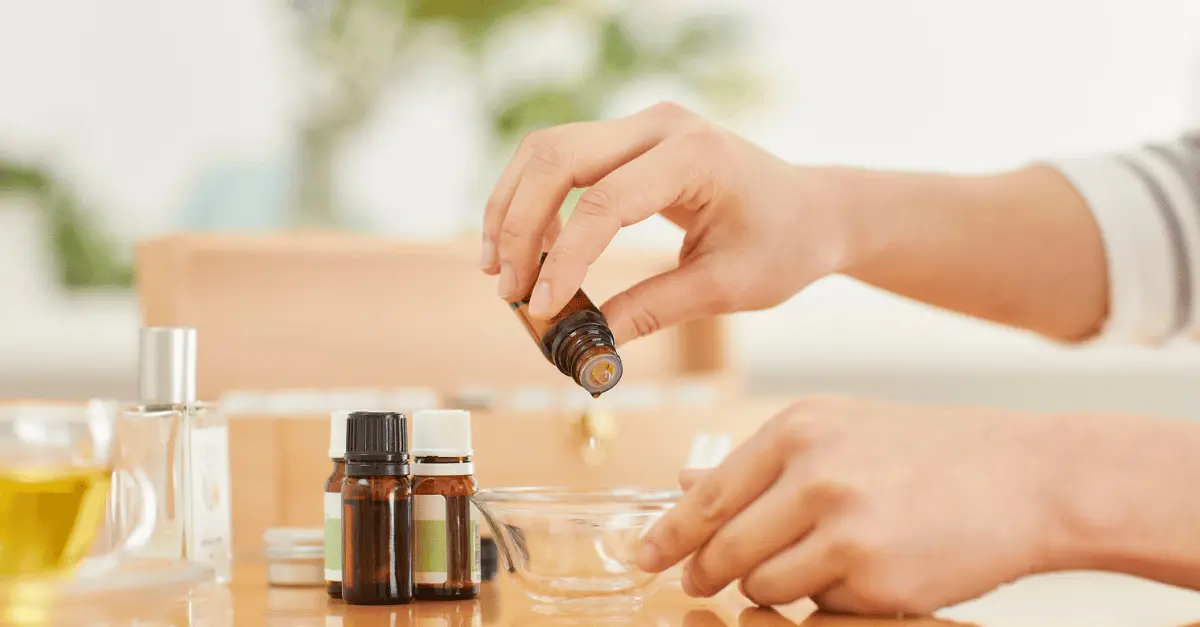
Fragrance creation belongs to the world of professional perfumery. It requires deep expertise, trained perfumers, and advanced tools.
They design fragrances by blending:
Top notes (first impression)
Middle notes (heart of the fragrance)
Base notes (long-lasting depth)
This process is both scientific and creative, making it very different from cosmetic formulation.
Why Fragrance Becomes a Bottleneck
In many product development projects, the formulation is ready—but the product is still not approved. The reason is often fragrance.
Common situations include:
Expectation of matching an existing product fragrance
Demand for a “luxury perfume-like” scent
Frequent changes in fragrance preference
Treating fragrance as the main product identity
These expectations are understandable, but they can slow down development because fragrance creation takes time and multiple trials.
Why “Same-to-Same” Fragrance Matching Is Difficult
One of the biggest misconceptions is that a fragrance can be copied exactly.
In reality, fragrance houses create close matches, not exact duplicates. This process is called fragrance matching.
It involves:
Analyzing the reference fragrance
Creating sample blends (accords)
Multiple rounds of testing and adjustment
This process requires expertise, time, and cost. Expecting an exact match instantly is not practical.
Technical Challenges of Using Fragrance in Formulations
Even after selecting a fragrance, several technical issues must be considered:
Compatibility
Not all fragrances work well with every formulation. They may react with ingredients like emulsifiers or surfactants.
Stability
Some fragrances can cause:
Color changes
Product separation
Reduced shelf life
Fragrance Performance
The same fragrance can smell different in:
Creams
Gels
Shampoos
Regulatory Compliance
Fragrances may contain allergens that must meet labeling and safety regulations.
How Fragrance Is Handled in Professional Development
A structured approach helps avoid delays. Typically, the process includes:
Defining a fragrance brief
Developing samples by fragrance experts
Client evaluation and selection
Testing in formulation
Stability testing
This ensures both fragrance quality and product performance.
The Importance of a Clear Fragrance Brief
A clear brief can save a lot of time. It should include:
Fragrance type (floral, fruity, herbal, woody, etc.)
Target audience
Reference products
Desired intensity
Product category
The more clarity at the start, the fewer revisions later.
Why Reference Products Help
Providing a physical reference product makes a big difference.
It helps fragrance experts:
Understand the scent profile better
Create closer fragrance matches
Reduce trial time
This is a common and effective industry practice.
Improving Development Efficiency
To speed up the process, many labs use:
Pre-developed base formulations
Fragrance libraries
Partnerships with fragrance suppliers
Using unscented bases allows quick testing of multiple fragrance options without affecting the core formula.
Setting the Right Expectations
Clear role definition is important for smooth development.
Formulation Lab Focus
Product development
Stability and performance
Ingredient compatibility
Fragrance Supplier Focus
Fragrance creation
Customization and matching
Scent evaluation
When responsibilities are clear, projects move faster and more efficiently.
Collaboration Is the Key to Success
A great cosmetic product is the result of teamwork between:
Formulation scientists
Perfumers
Brand owners
Each plays a unique role. When they work together effectively, the final product delivers both performance and a strong sensory experience.
Final Thoughts
Fragrance is a powerful part of cosmetic products. It creates emotional appeal and strengthens brand identity.
At the same time, fragrance development is a specialized process that requires time, expertise, and proper planning.
Understanding this helps:
Avoid delays
Improve product quality
Streamline development
With the right collaboration and expectations, it becomes much easier to create products that succeed in the market.